BOSTON NEXUS INSTITUTE FOR GLOBAL STUDIES
Educational program in Afghanistan · Video 1
Program footage shared by Boston Nexus Institute for Global Studies.
 Donate
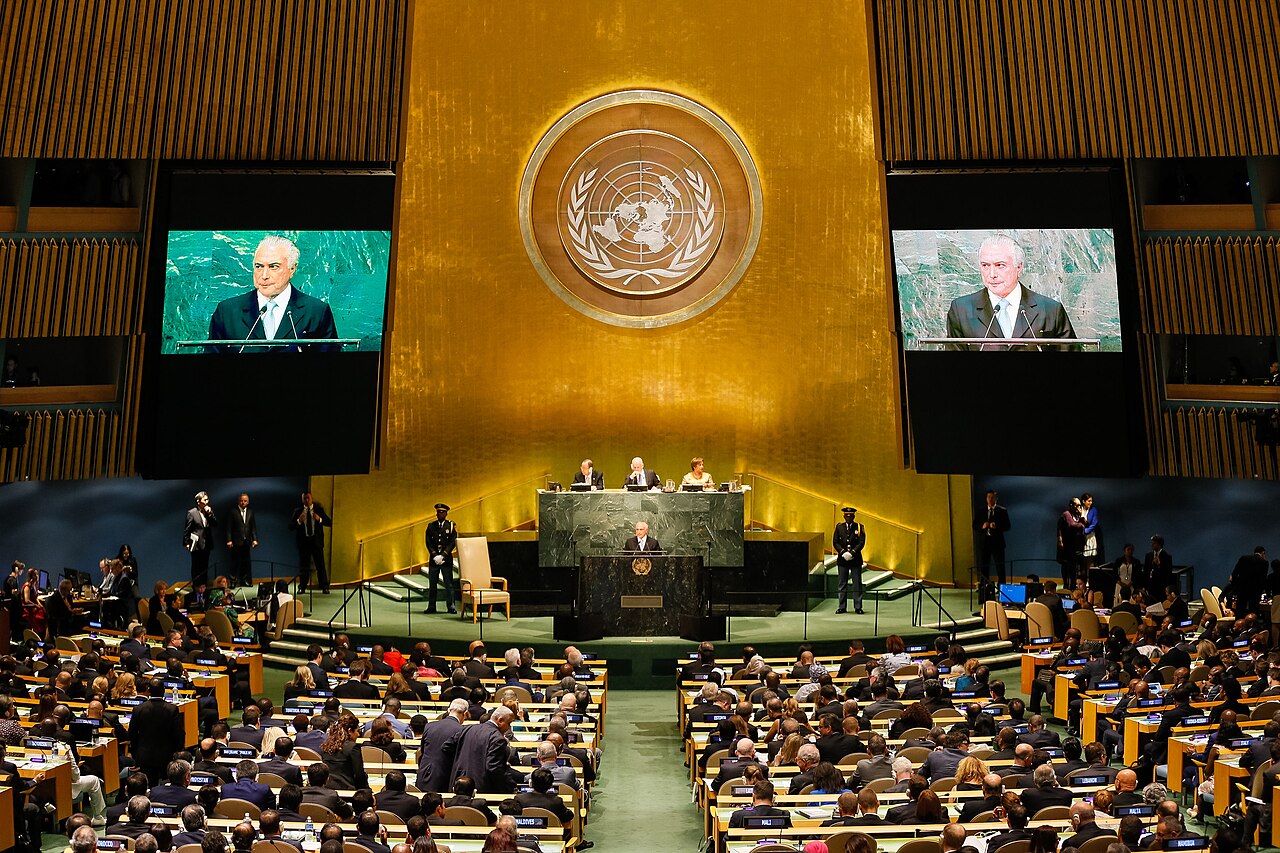
At the United Nations General Assembly, member states discuss shared challenges, from peace and human rights to development. Its debates show why dialogue across borders remains essential.
United Nations Headquarters · New YorkAn independent platform for research, dialogue, and global understanding.
EXPLOREIn 2025, Boston Nexus Institute for Global Studies provided a four-month educational program for approximately 60 women and girls in Afghanistan, despite significant challenges in keeping the activity from the Taliban’s attention.
In 2025, Boston Nexus Institute for Global Studies provided an educational opportunity for approximately 60 women and girls in Afghanistan through a four-month program. This account reflects Boston Nexus Institute for Global Studies’s report of its work. The photographs below document participants attending the educational program and working on written exercises.
The four-month program took place under difficult conditions. According to Boston Nexus Institute for Global Studies, a central challenge was to continue the educational work without the Taliban learning about it. Keeping the program from coming to their attention added considerable difficulty to organizing and sustaining the classes. The experience was therefore about more than making a space for learning: it also required sustained attention to the circumstances in which that learning could continue.
The classroom photographs show participants gathered with notebooks and papers, concentrating on their work. These images offer a glimpse of the educational activity itself. They should be understood as a record of participation, rather than as evidence of examination results, formal accreditation, or measured long-term outcomes. Boston Nexus Institute for Global Studies reports approximately 60 participants and a duration of four months; it does not present those figures as an independently evaluated impact study.
For Boston Nexus Institute for Global Studies, this experience reinforces a commitment to educational opportunity for Afghan women and girls. Access to learning matters not only because of the knowledge it can offer, but also because it creates space for people to develop their abilities, ask questions, and imagine possibilities for their lives. Where opportunities are constrained, even a limited period of organized learning can carry deep personal significance.
The difficulties encountered during this program also underscore the importance of thoughtful support. Educational work in challenging circumstances calls for attention to participants’ dignity, the realities facing organizers, and the conditions necessary for continuity. This account does not disclose the exact classroom location, identify individual participants, or describe the arrangements used to keep the activity from the Taliban’s attention.
Boston Nexus Institute for Global Studies shares these photographs and this account to make its educational work visible and to encourage serious engagement with the importance of learning opportunities for Afghan women and girls. The program’s reported scope remains specific: approximately 60 participants, a four-month period, and implementation in Afghanistan in 2025. Future discussion and support should build on that experience with clear expectations and respect for the people whose participation made the program possible.
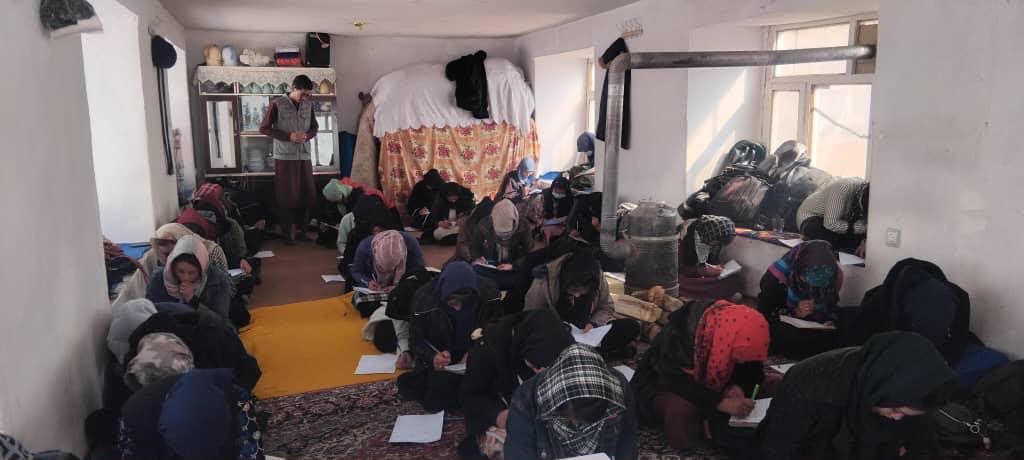
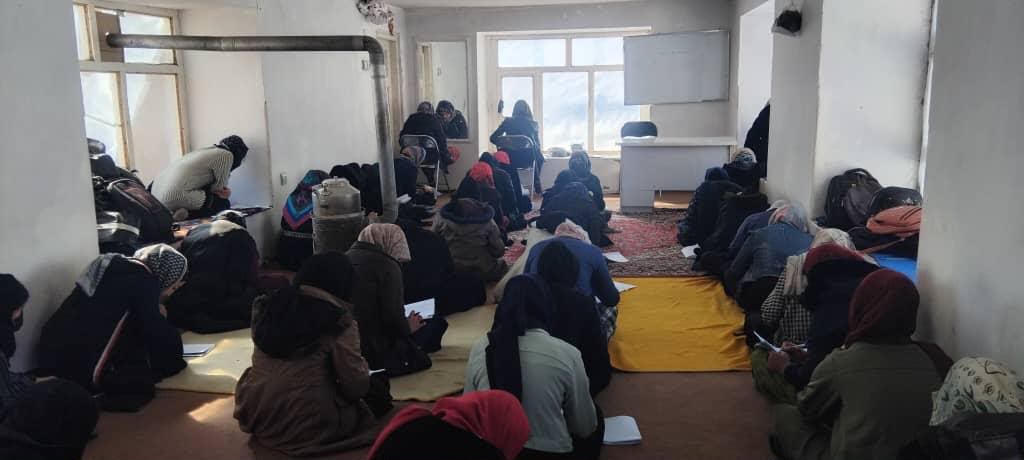
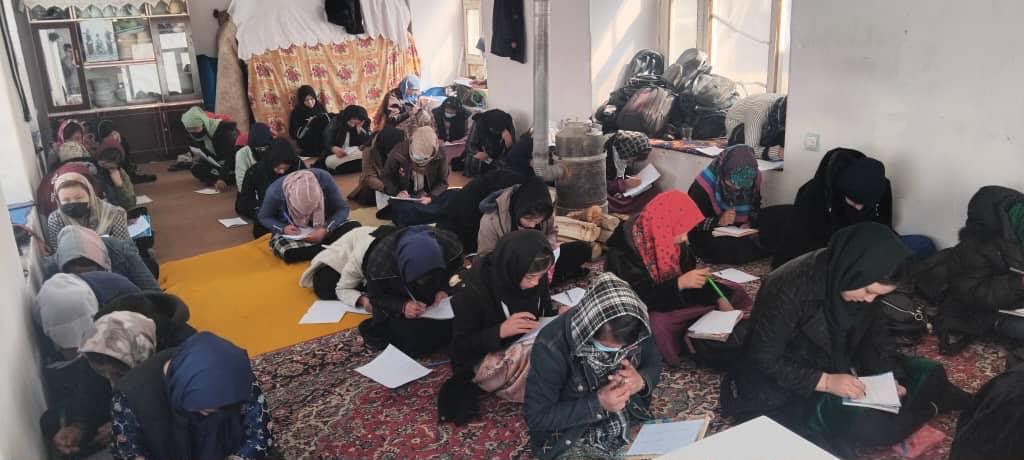
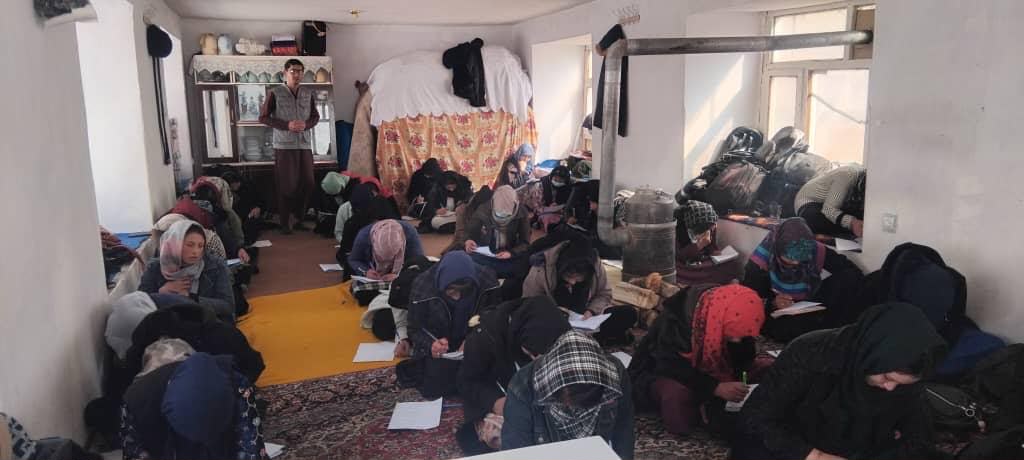
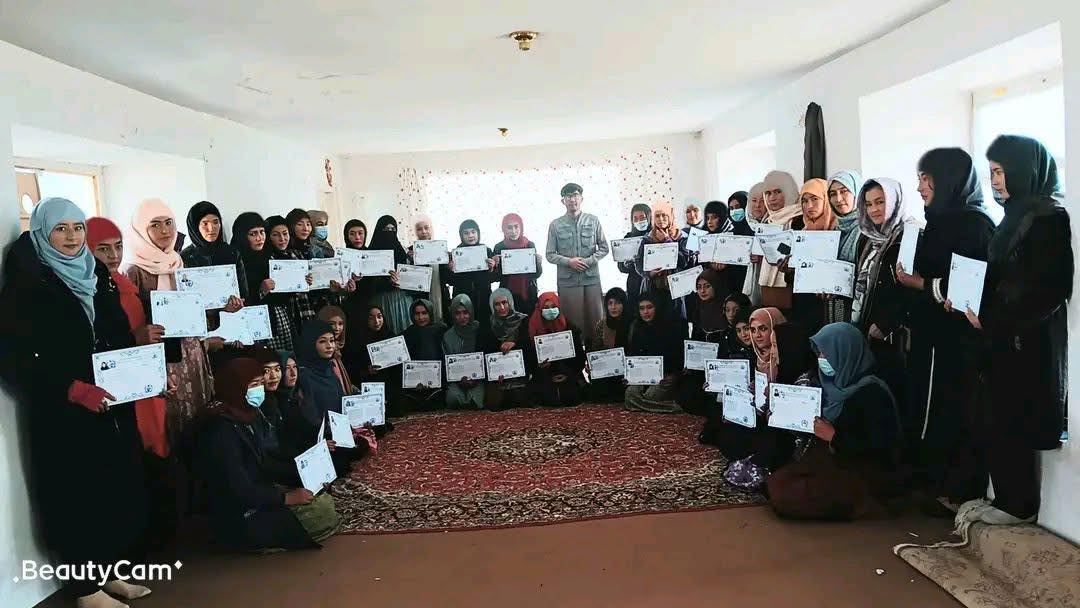
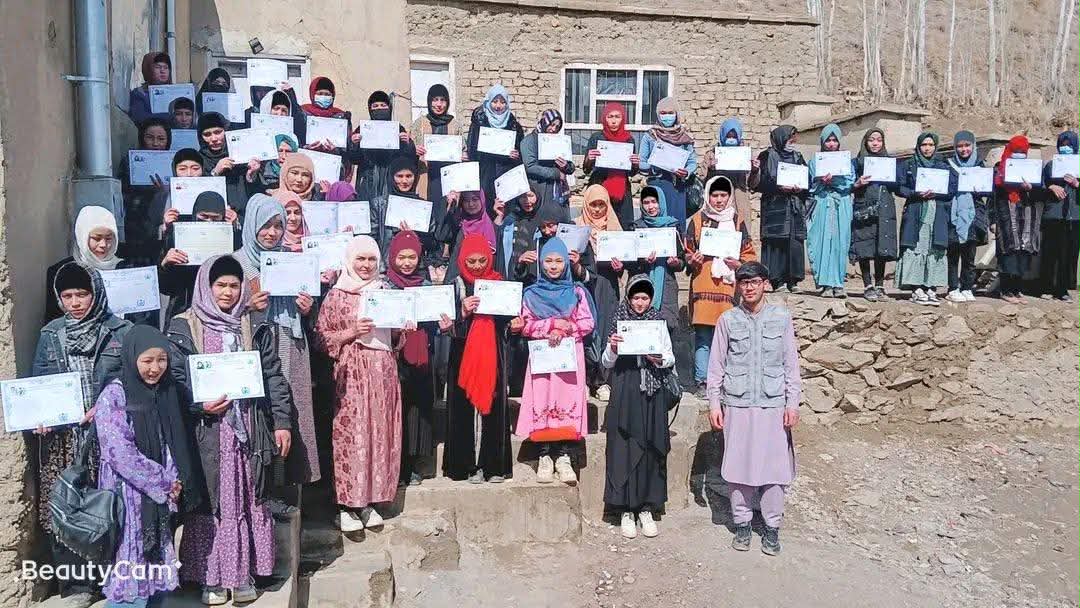
Footage from the educational program in Afghanistan · Boston Nexus Institute for Global Studies
Program footage shared by Boston Nexus Institute for Global Studies.
Program footage shared by Boston Nexus Institute for Global Studies.
Program footage shared by Boston Nexus Institute for Global Studies.
Program footage shared by Boston Nexus Institute for Global Studies.
Program footage shared by Boston Nexus Institute for Global Studies.
Follow an issue from personal experience to institutions, historical context, and cross-border effects.
A question for inquiry · No original study is impliedSelected external research, summarized by Boston Nexus with links to the original reports.
The World Bank’s 2023 report argues that outcomes depend in part on the fit between migrants’ skills and destination needs, as well as why people move. It also considers effects on origin countries and refugees.
Read the original report — World Bank · World Development Report 2023The IPCC’s 2023 synthesis finds that human activities have caused global warming. Its assessment connects climate risks with choices about adaptation and emissions.
Read the original report — IPCC · Sixth Assessment Synthesis ReportUNESCO’s 2023 education report finds that strong, impartial evidence on educational technology is limited. It asks whether a tool improves learning and who can access it.
Read the original report — UNESCO · Global Education Monitoring Report 2023
Rooted in a city of ideas.
Engaged with a world in motion.
Scenes of public lectures and research conversations. These photographs illustrate the kind of dialogue we value.


Choose a topic or continue scrolling.

Boston Nexus brings people and ideas into conversation across disciplines, communities, and borders. We explore global questions with intellectual openness and a commitment to informed public dialogue.

Our work examines international affairs, democracy, society, and the forces shaping our shared future. The perspective is global; the starting point is careful listening.

Discover the questions we are exploring, read emerging perspectives, and join a conversation that welcomes thoughtful disagreement and new ideas.

The most useful conversations begin with a question rather than a conclusion. We bring research, discussion, and accessible writing together so that complex issues can be examined from more than one vantage point.

A local decision can have international consequences; a distant crisis can shape lives in Boston. Our editorial lens follows these connections while keeping people, institutions, and context in view.

We begin with the question people are asking, then look at the history, evidence, and assumptions behind it. A public conversation becomes more useful when participants understand both the points of agreement and the reasons for disagreement.

Discussions of international affairs can become abstract very quickly. We consider how decisions are experienced by families, communities, and institutions, and whose experience may be absent from the usual account.

Our interests span democracy and governance, conflict and peace, migration, human rights, education, and international cooperation. Explore the Focus Areas page for the questions within each theme.
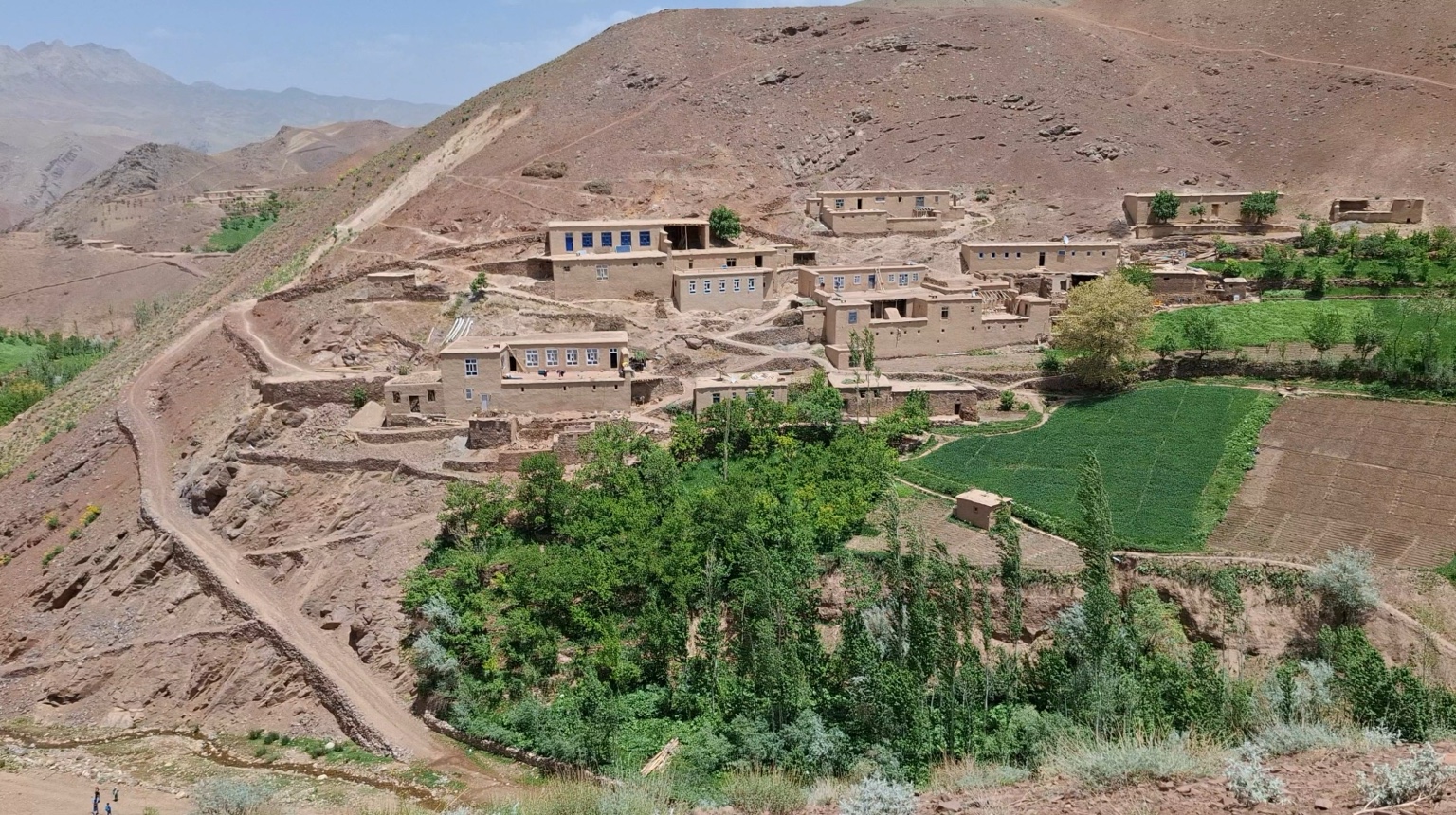
Regional knowledge brings needed detail to global debate. Afghanistan is one area of particular interest, considered in its own context and in connection with broader questions about institutions, rights, and displacement.

The institute’s research, publications, and public programs will develop over time. We will add specific articles, event details, contributors, and partnership information when they are ready to share.

The world does not organize itself into separate academic subjects. A debate about recognition may involve diplomacy, history, law, and the everyday circumstances of people living with its consequences. Boston Nexus approaches such questions by making the connections visible. We want readers to see both the immediate event and the larger structures that give it meaning.

A headline can identify an event, but it rarely explains why it occurred or what might follow. Background on institutions, earlier decisions, regional relationships, and competing interpretations helps a reader judge the moment more carefully. Our aim is to create room for that context without asking people to become specialists before they can participate.

Good analysis should show where its claims come from. Some questions can be examined through documents or public data; others also require interviews, historical accounts, or the knowledge of people directly affected. Evidence does not eliminate every disagreement. It does make a disagreement more precise and gives readers a basis for assessing different arguments.

Diplomatic language often speaks of states, institutions, and agreements. Those choices also reach classrooms, workplaces, homes, and communities. Our public work seeks to connect these levels without reducing complex lives to examples for a theory. The people closest to an issue may identify a question that a distant observer would otherwise miss.

Conversation is most useful when participants can explain a position and hear the strongest alternative. Boston Nexus is interested in discussions that clarify assumptions and identify unresolved questions. Agreement can be valuable, but it is not the only measure of a good event or publication. A more accurate understanding is itself a meaningful outcome.

Boston is home to many communities and institutions connected to international questions. That setting can support conversations across research, public service, journalism, and lived experience. The institute uses a Boston identity as a point of connection, while its areas of inquiry reach well beyond any single city or country.

Begin with our research themes, then see how those questions might become public programs or written perspectives. The Afghanistan page offers a regional lens; the Publications page describes the formats we intend to develop. Each section represents part of a broader conversation, and confirmed work will be added as the institute develops.

This website presents the institute’s purpose, intended areas of inquiry, and approach to future work. It does not imply that every proposed program or publication already exists. We will name authors, dates, collaborators, and event details when there is something concrete to announce. That distinction is part of how we hope to earn trust.

A global issue often crosses the boundaries of politics, law, society, and history. Bringing those perspectives together can reveal both patterns and important differences.

The value of an idea grows when readers can examine it, ask what supports it, and compare it with another explanation. That spirit of inquiry runs throughout Boston Nexus.
International events reach into ordinary lives through security, migration, trade, and public debate.
The quality of a discussion changes when local experience and regional expertise are included.
Research, journalism, and public events make different kinds of knowledge available to different audiences.
Choose an area of inquiry and follow the questions that interest you.
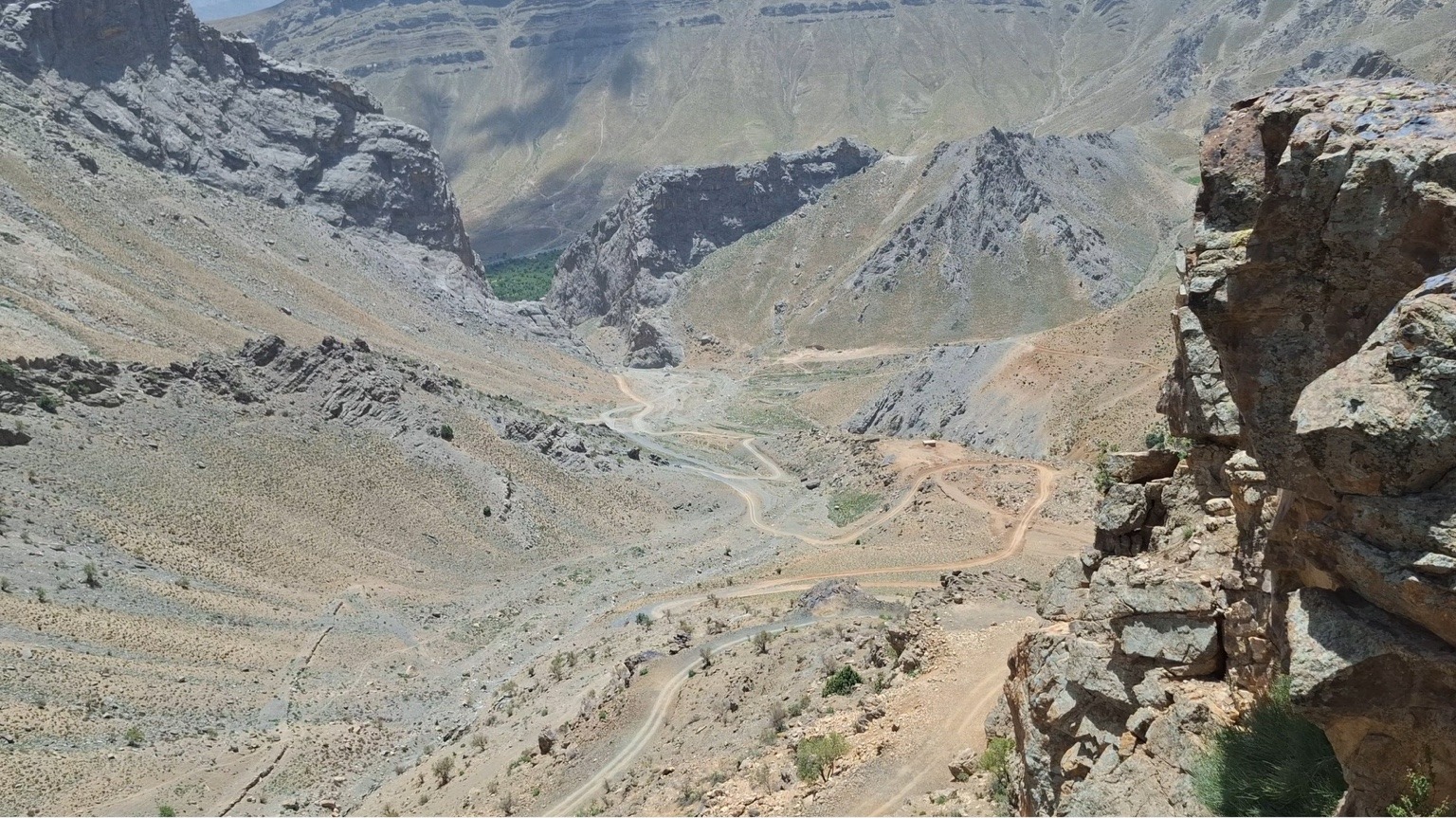
A view of Afghanistan’s rugged mountain terrain, with a winding road following the contours of the valley.
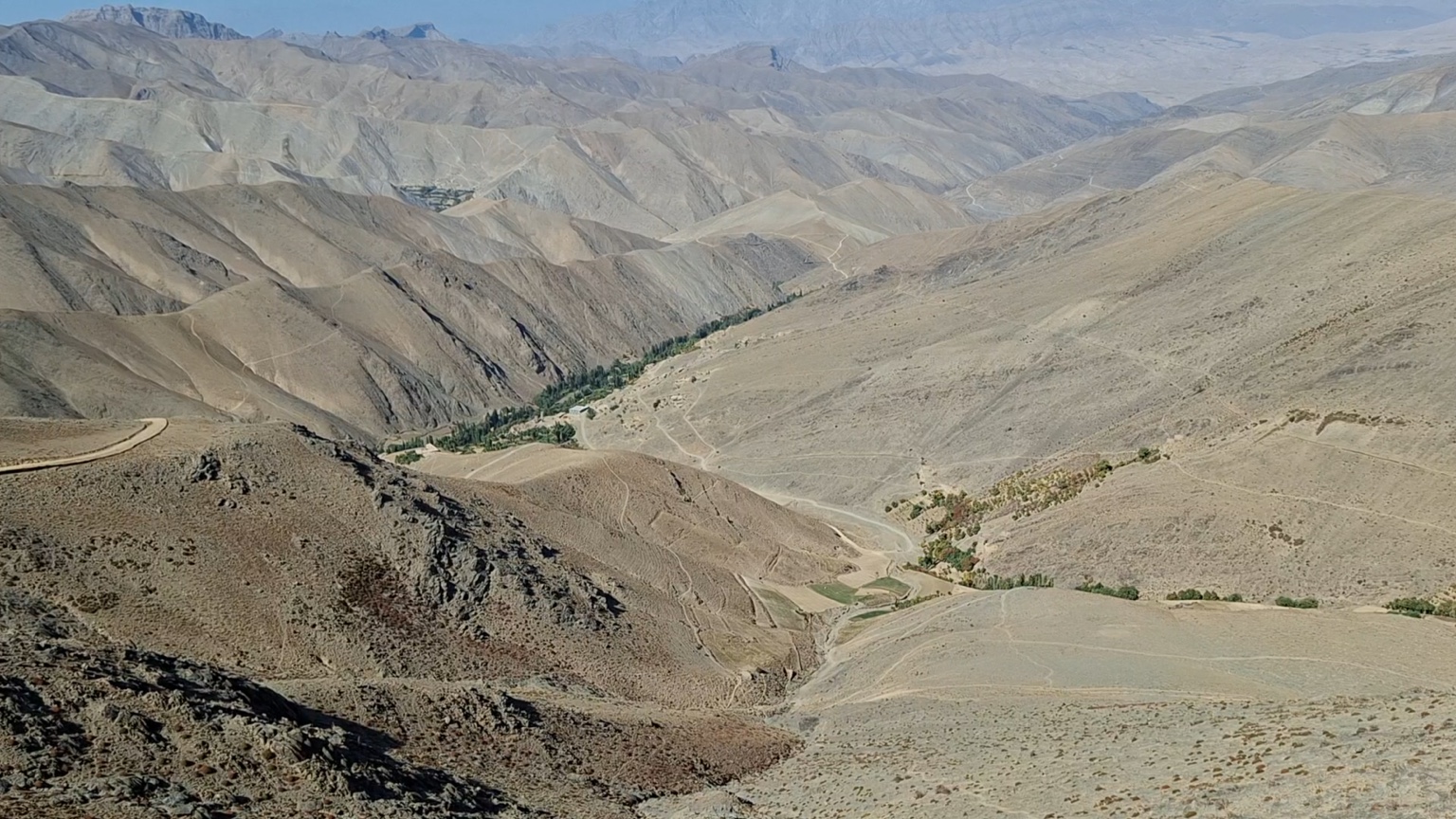
Mountain ridges overlook a valley with winding paths and patches of greenery in Afghanistan.
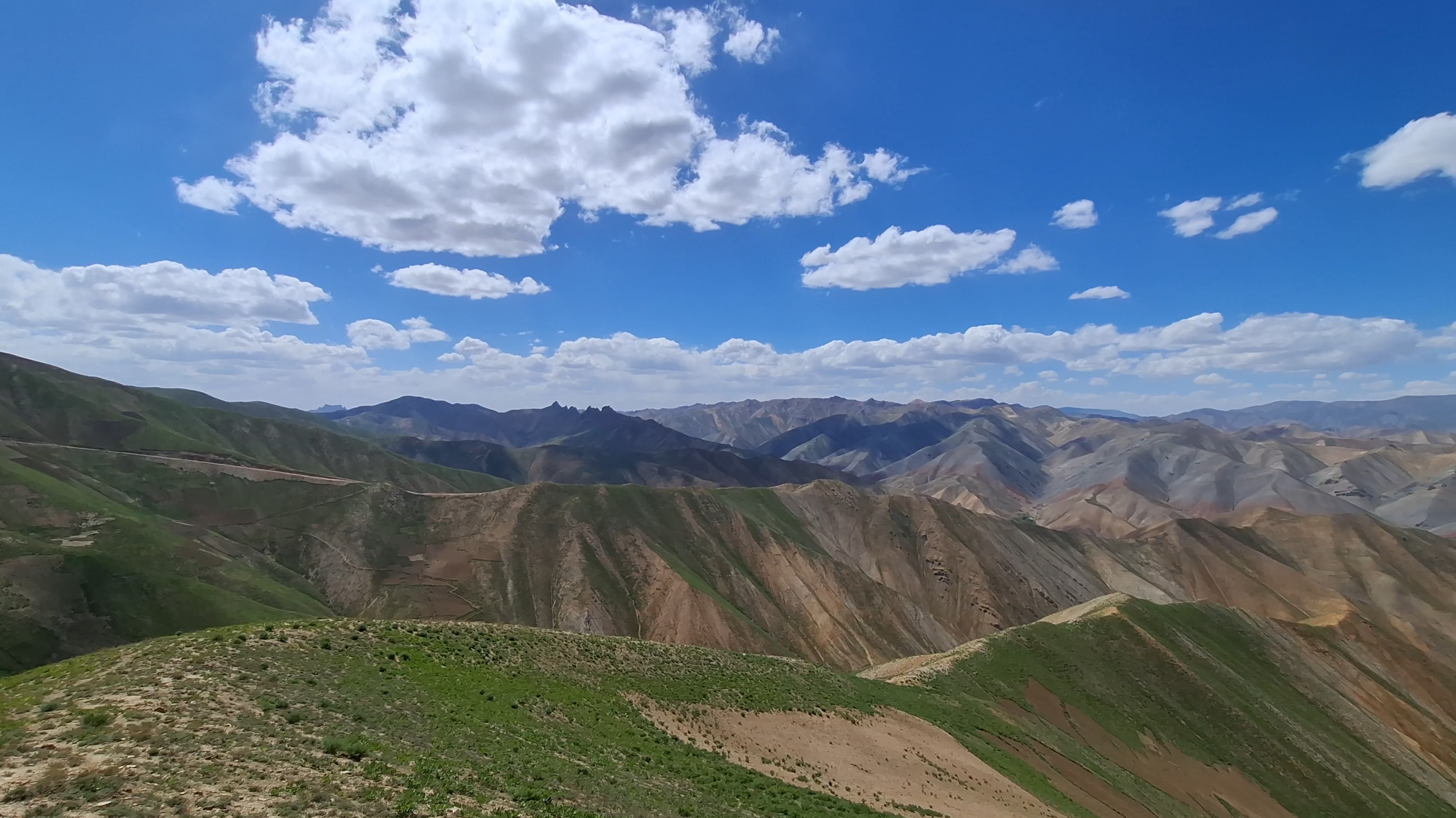
Green mountain slopes and distant ridges beneath a wide, cloud-filled sky in Afghanistan.
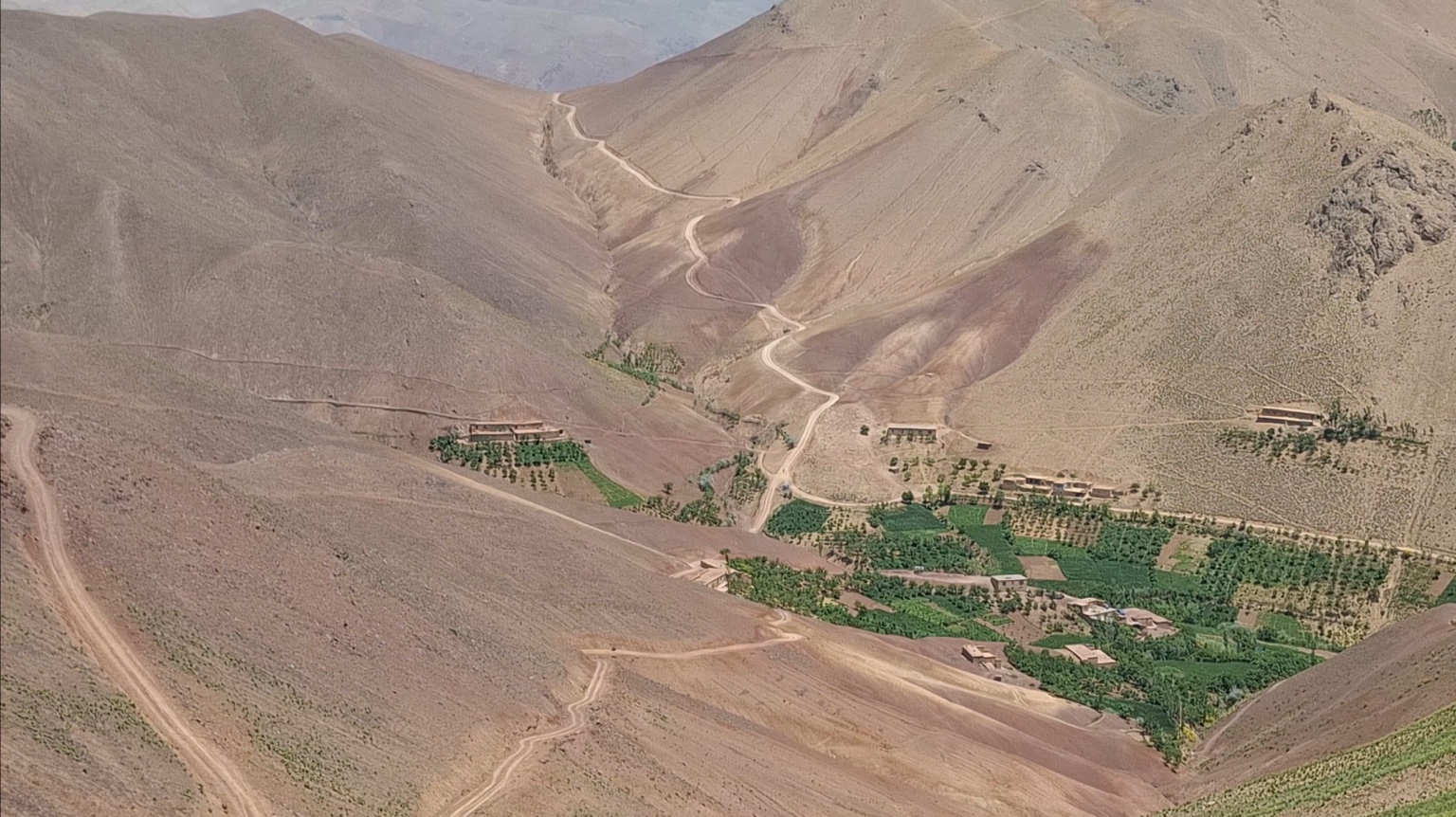
Green fields, orchards, and rural homes sit within a mountain valley in Central Afghanistan, connected by a winding road.