What is the central question?
Begin with a precise issue and the people it affects.

Regional knowledge and human experience in a wider global conversation.
EXPLORE
Compare policy documents, interviews, and changes in access to education and public services over time.
A question for inquiry · No original study is impliedChoose a topic or continue scrolling.

Afghanistan is often described only through war or crisis. Understanding its society requires attention to its history, communities, intellectual traditions, institutions, and relationships with the wider world.

Questions about representation, state institutions, and public trust require careful historical context. Different generations have experienced political change in different ways.

Access to education shapes personal opportunity and a country’s civic and economic future. The experiences of women, girls, teachers, and students are essential to understanding this issue.

Afghan communities abroad carry languages, expertise, and ties to home. Their experiences connect local questions of belonging with international debates about migration and protection.

Afghanistan’s future cannot be understood in isolation. Neighboring states, international institutions, trade routes, and diasporas all influence the choices and constraints people face.

The position of women and girls is central to questions of education, work, rights, and the future of public institutions. Their perspectives should inform any serious account of change.

Literature, languages, local traditions, and community networks are part of the country’s story. They cannot be reduced to a single political moment.

Afghans living abroad may connect knowledge of home with experience in new societies. Their perspectives can broaden discussion while remaining distinct from those living inside Afghanistan.

Afghanistan contains many communities and histories. We aim to identify the place, period, and people behind a claim instead of presenting one experience as universal.

A single date can mark a major political change, yet the country’s institutions, communities, and ideas have longer histories. Any account of Afghanistan should specify the period it examines and resist treating decades of varied experience as one continuous story.

Representation involves formal institutions and the practical ability of people to influence them. Questions of legitimacy should consider whose views are included, whose are absent, and how decisions affect different communities. These are research questions that require historical and local evidence.

A restriction on learning changes immediate opportunities and may also shape a society’s future teachers, professionals, and public life. Analysis should attend to students, families, educators, and the different ways they respond, while avoiding the assumption that one account captures every place.

Geography, language, generation, and local history can shape different experiences of political change. A responsible analysis names the population and setting it describes. That precision makes it easier to understand both shared challenges and important differences.

Questions about women’s education, work, mobility, and participation affect individuals and institutions alike. Women’s perspectives are necessary to understand the consequences of policy and the forms of agency that persist under constraint. Their experiences should not be reduced to symbols in an external debate.

Afghan communities outside the country may retain close family and professional connections while developing new forms of participation abroad. Their perspectives can connect local developments to international policy, though diaspora voices should not be treated as interchangeable with those living inside Afghanistan.

Debates about diplomacy, assistance, recognition, and accountability involve competing goals. Each proposed approach should be assessed for its likely effects on people and institutions, alongside its legal and political logic. Simple formulas can obscure difficult tradeoffs.

Afghanistan raises questions that matter beyond one country: how institutions gain legitimacy, what education means for public life, how displacement reshapes communities, and what international responsibility entails. Understanding these connections requires attention to Afghanistan’s own context first.

A global issue often crosses the boundaries of politics, law, society, and history. Bringing those perspectives together can reveal both patterns and important differences.

The value of an idea grows when readers can examine it, ask what supports it, and compare it with another explanation. That spirit of inquiry runs throughout Boston Nexus.
The future of education, political representation, migration, and international engagement calls for sustained attention to evidence and the experiences of people affected. We will revisit these questions as new research and perspectives become available.
Begin with a precise issue and the people it affects.
Examine the history, sources, and limits behind each claim.
Consider the choices, tradeoffs, and consequences ahead.
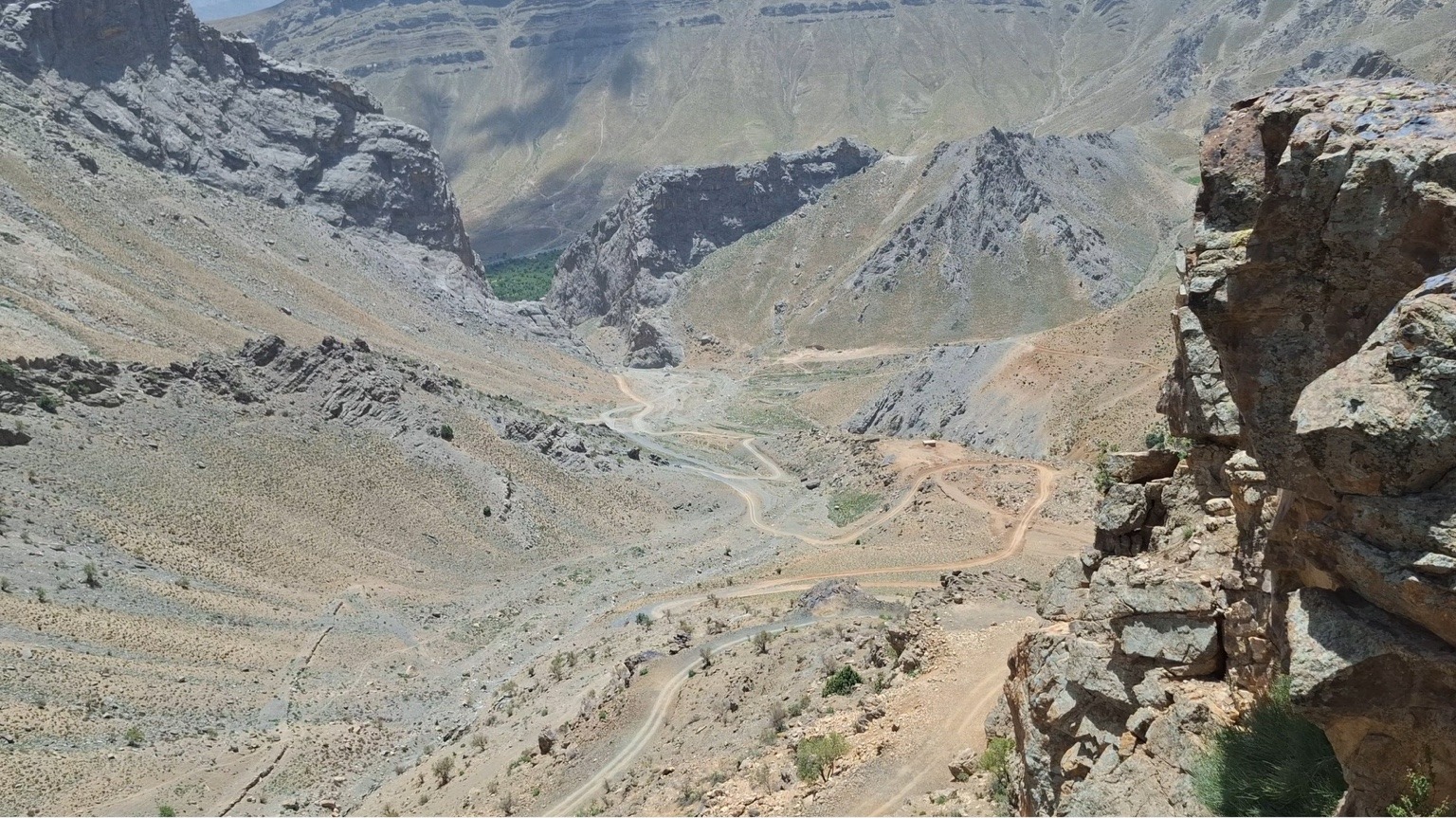
A view of Afghanistan’s rugged mountain terrain, with a winding road following the contours of the valley.
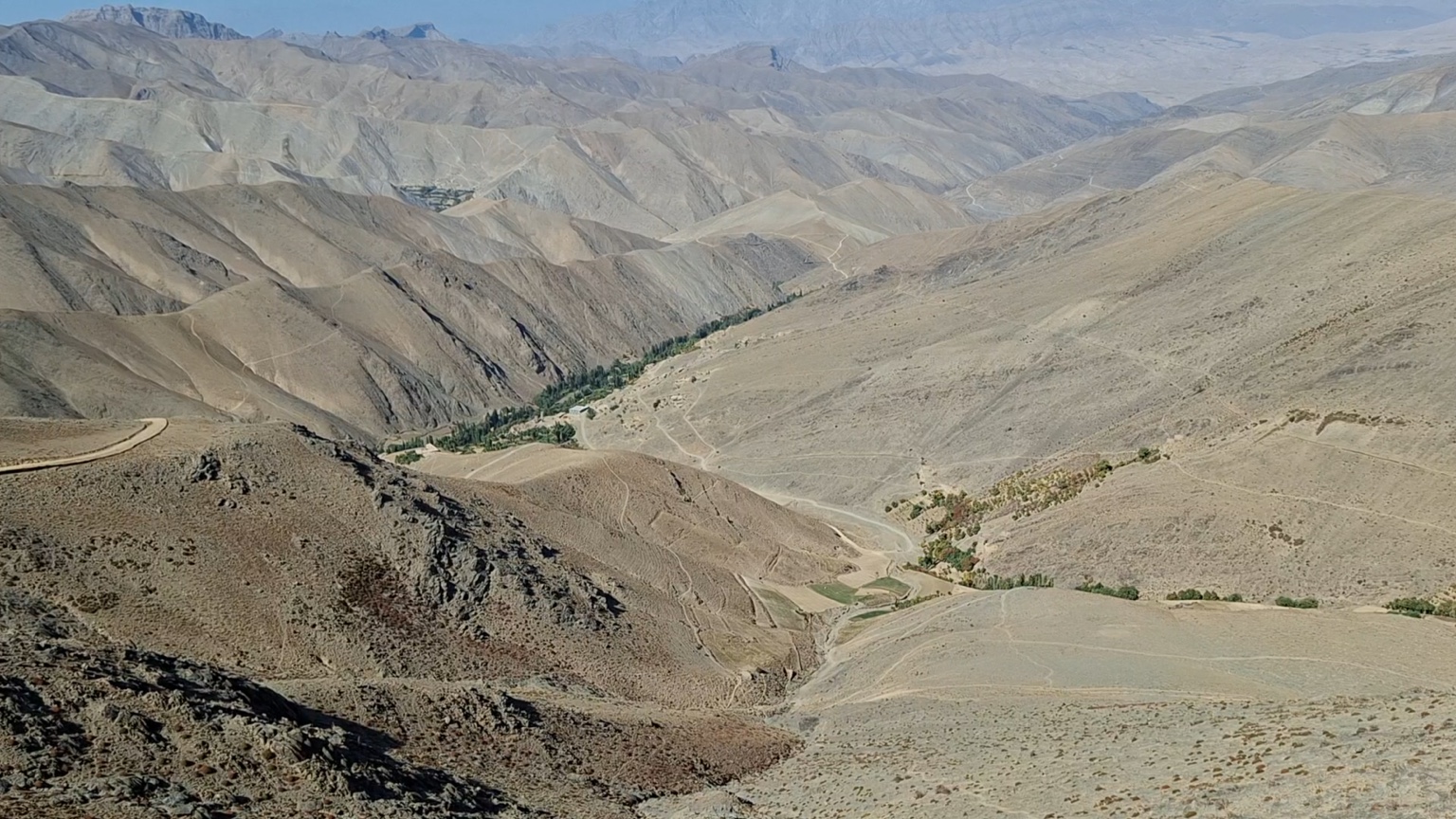
Mountain ridges overlook a valley with winding paths and patches of greenery in Afghanistan.
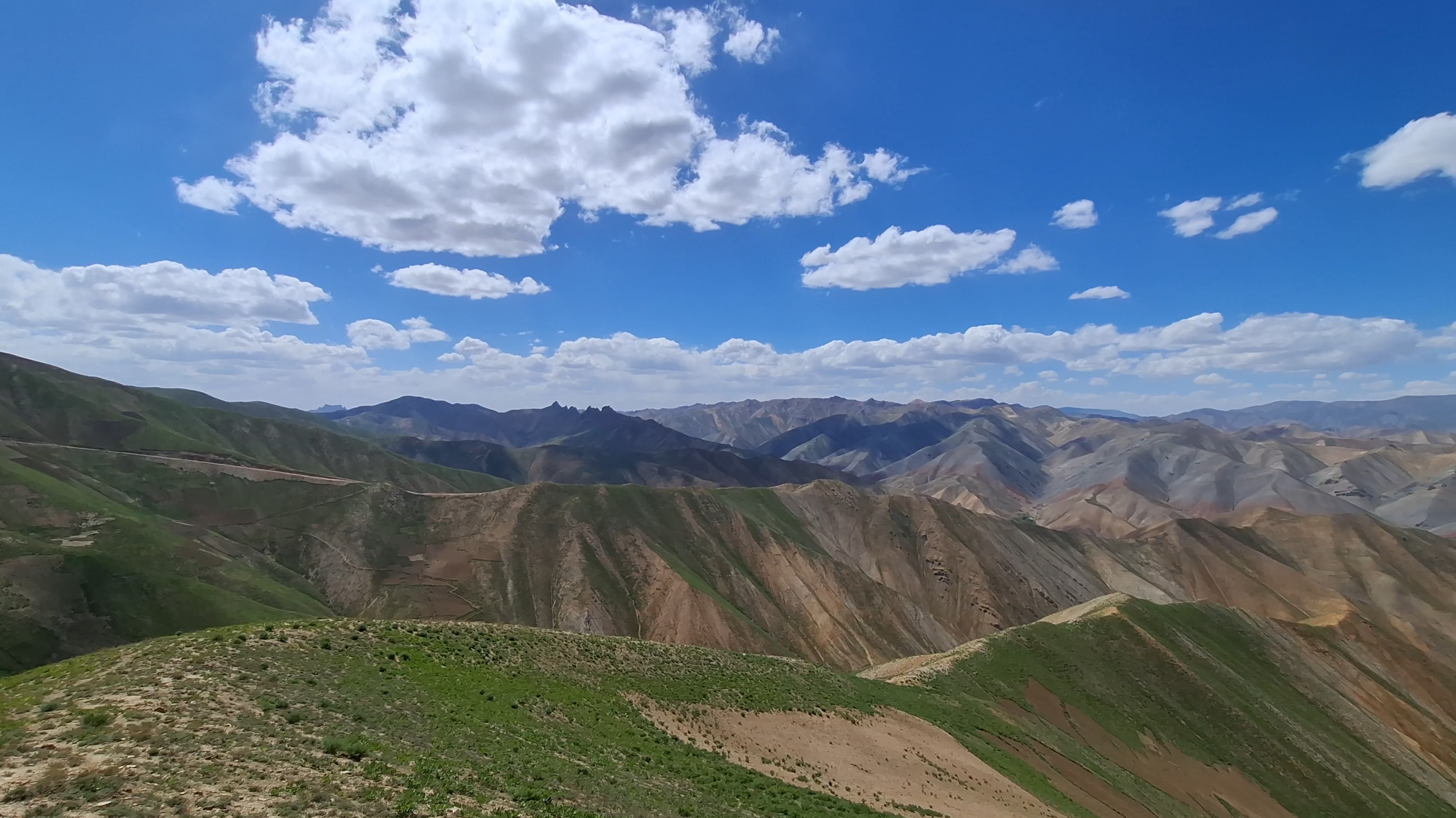
Green mountain slopes and distant ridges beneath a wide, cloud-filled sky in Afghanistan.
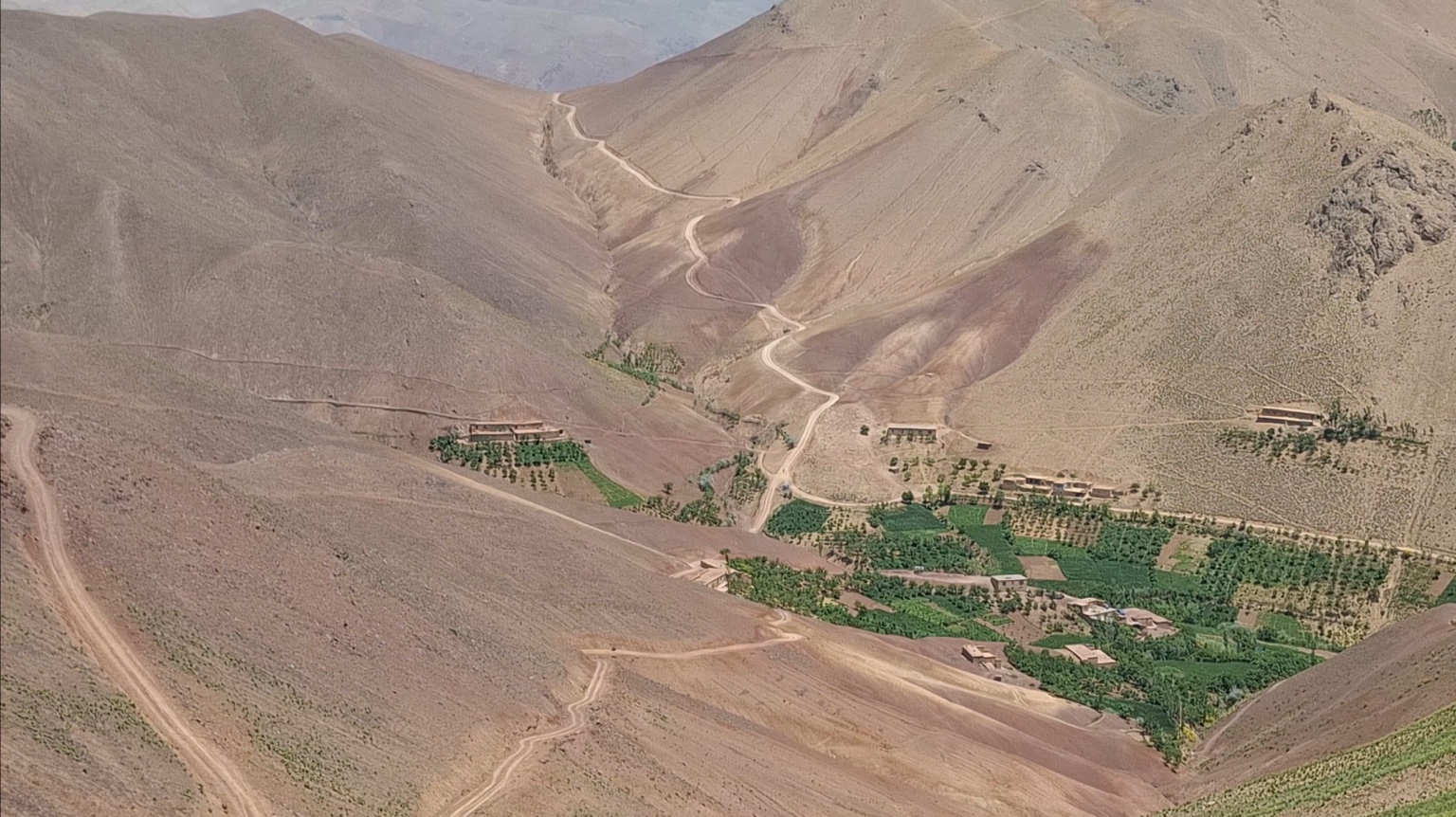
Green fields, orchards, and rural homes sit within a mountain valley in Central Afghanistan, connected by a winding road.
See photographs of participants in Boston Nexus’s educational program in Afghanistan.
View program photographs →